LIV Golf is officially dead as league confirms wind-down after stars reject $300m rescue deal
Bryson DeChambeau, Dustin Johnson, Cameron Smith and Joaquin Niemann were among the major names who failed to commit to LIV 2.0, crushing the breakaway league's hopes of a relaunch.

LIV Golf is officially heading for a wind-down after its proposed $300 million rescue deal collapsed, bringing an end to the league's hopes of continuing as a professional golf tour.
The confirmation came during a US bankruptcy court hearing on Thursday 5 November, with LIV Golf's lawyers revealing that plans for a revamped, player-owned version of the league had been abandoned.
"The debtors are not currently proceeding with the LIV 2.0 plan," Gibson Dunn partner Matthew Williams said in court.
"Instead, the debtors are toggling to a value-maximizing wind-down in their business."
The announcement marks a dramatic conclusion to a project that launched in 2022 with the ambition of challenging the PGA Tour, backed by billions of dollars from Saudi Arabia's Public Investment Fund (PIF).
But LIV Golf's proposed new era was ultimately crushed by the withdrawal of its financial lifeline and the failure to secure commitments from a sufficient number of its biggest stars.

LIV 2.0 crushed by player refusals
The proposed restructuring had depended on LIV securing contractual commitments from a group of players deemed essential to the league's future.
BC Partners Credit, which had agreed to become LIV's new lead investor, was prepared to provide up to $300 million in funding as part of the proposed relaunch.
However, the investment was conditional on securing the necessary player support to make LIV 2.0 commercially viable.
That proved impossible.
Sports Business Journal's Josh Carpenter previously highlighted the absence of commitments from some of LIV's biggest attractions, naming Bryson DeChambeau, Dustin Johnson, Cameron Smith and Joaquin Niemann.
"None of the big names signed. Dustin Johnson, Cam Smith, Joaquin Niemann, Bryson DeChambeau," Carpenter wrote.
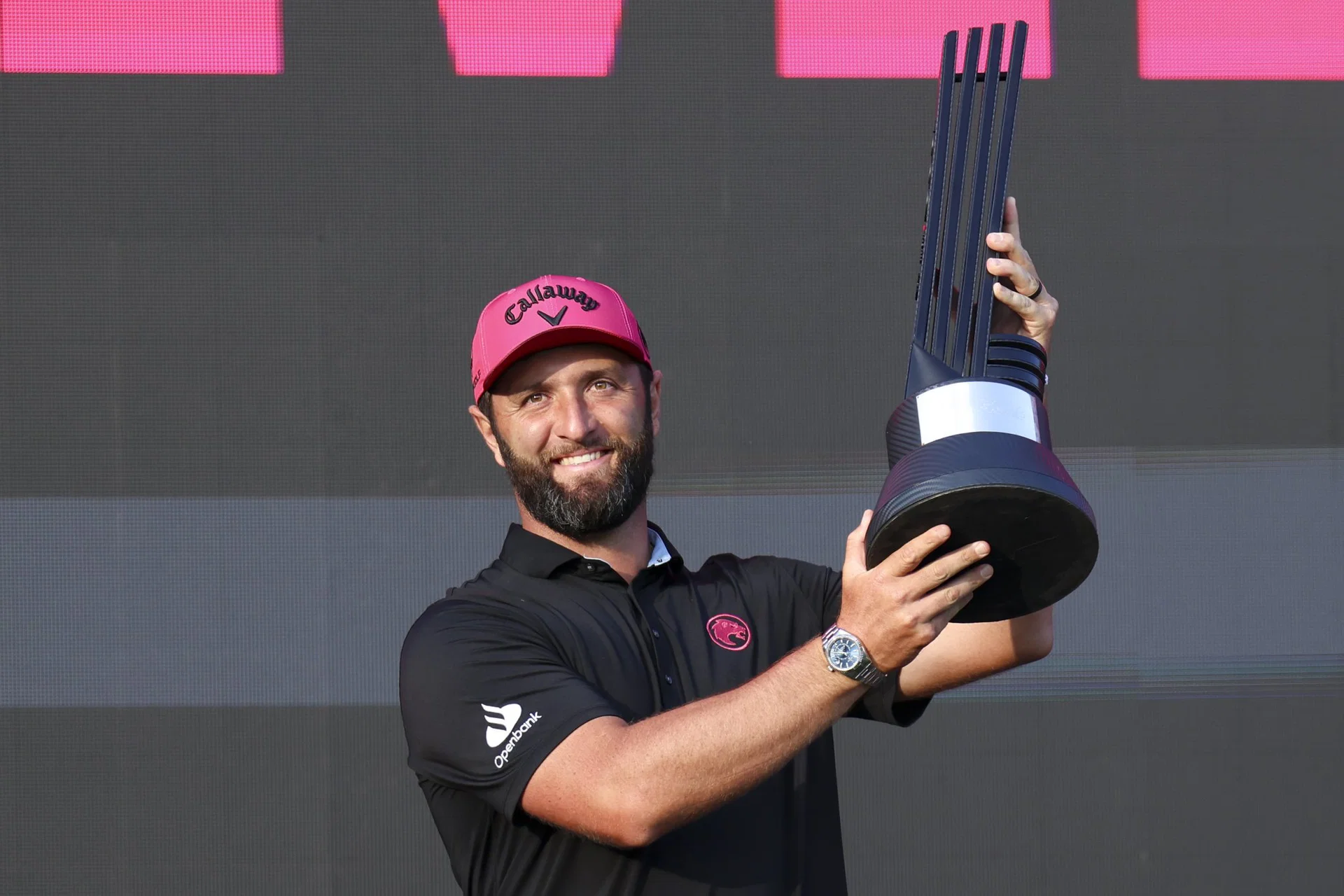
More than a dozen notable LIV golfers had also publicly indicated they would not join the proposed new structure, including Jon Rahm and Tyrrell Hatton.
The repeated failure to secure the necessary signatures dealt a fatal blow to the relaunch. BC Partners ultimately withdrew, leaving LIV without the financial backing required to continue.
LIV attorney Matthew Williams confirmed the league had been unable to reach the necessary agreement.
"We just couldn't get to the level of combined financial and player support necessary for a viable LIV 2.0 in the required timeline," he said.
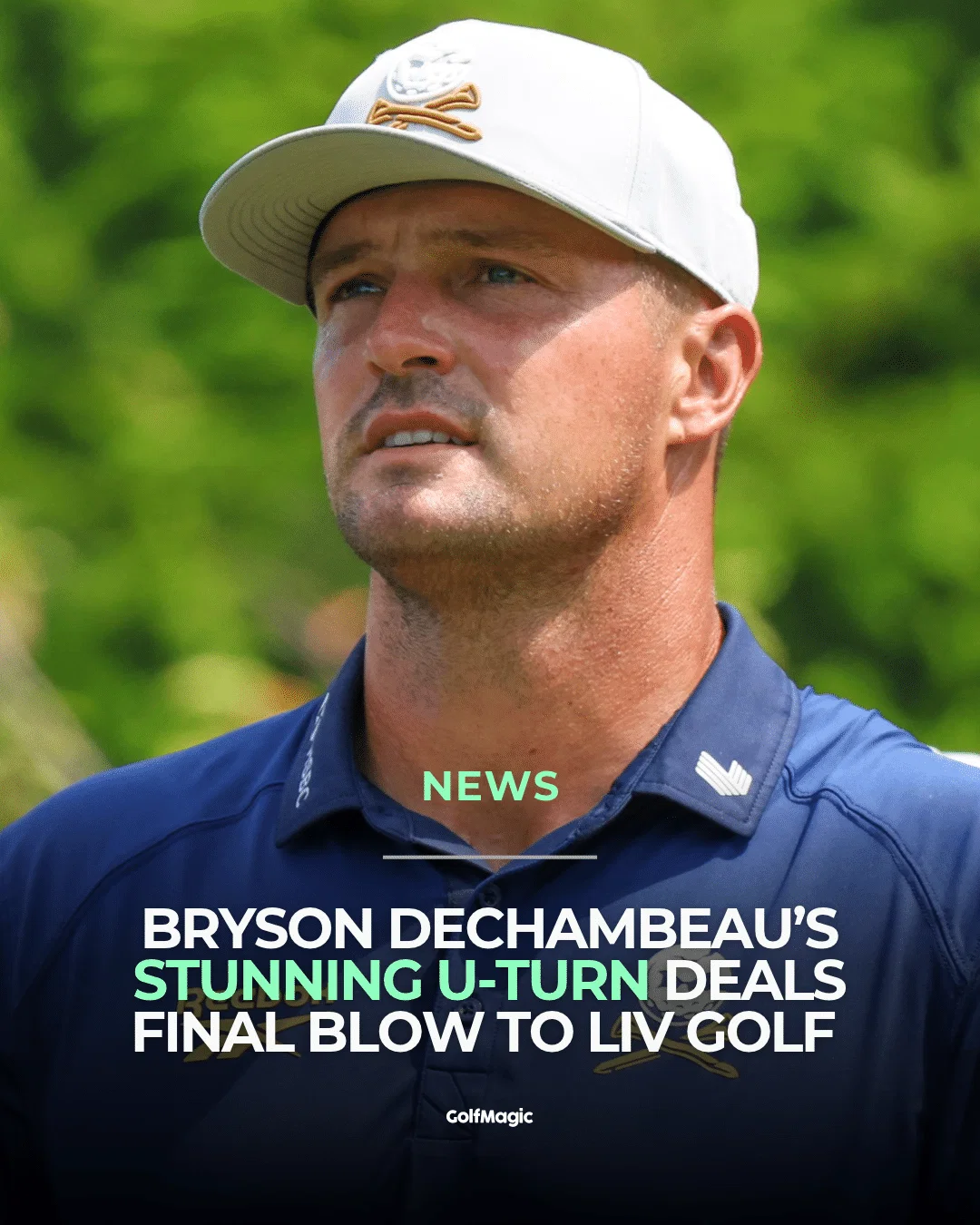
DeChambeau's future had remained uncertain all summer, with the American recently expressing optimism about the proposed new model.
In an interview with Raj Shamani last week, the two-time major champion had described the new structure as something that could be "done right", with improved governance and a sustainable business model.
But with a lack of other star names interested in sighing up to a 2.0 league in 2027, it would appear DeChambeau faced no other option but to turn away.
BC Partners pulls the plug
BC Partners Credit has now issued a statement following the collapse of the proposed transaction, expressing disappointment that an agreement could not be reached.
"BC Partners Credit supported a transaction that aligned the interests of players and investors, offering a credible path toward building a sustainable future for LIV Golf," read a statement on Thursday.
"While there was great support for the league, we are disappointed that mutually acceptable terms could not be reached among the various stakeholders.
"We commend LIV Golf's management for their tireless efforts and thank the players who supported the future of LIV and engaged constructively throughout. We wish them every success as they continue their careers."
The withdrawal followed weeks of uncertainty, with player commitment deadlines reportedly extended several times in an attempt to keep the restructuring alive.
The proposed deal had been announced on October 5, with an initial investment of $4 million forming part of a restructuring support agreement filed in court.
The larger investment, however, was always dependent on LIV retaining enough of its key players.
Billions spent as LIV Golf prepares to wind down
LIV Golf filed for Chapter 11 bankruptcy protection in New Jersey in September, insisting at the time that the process was intended to facilitate a restructuring and launch a player-owned tour for 2027.
That plan is now dead.
The PIF reportedly invested more than $5 billion into LIV Golf since its launch, luring established PGA Tour stars with enormous signing bonuses and lucrative prize funds.
But the Saudi fund ended its support beyond 2026, forcing LIV to seek alternative investment.
Despite commercial progress, new sponsorships and events in international markets, the league was unable to establish a sustainable financial model capable of supporting its substantial costs.
The loss of its biggest stars only made that challenge more difficult. The likes of Rahm, Hatton and Sergio Garcia had already confirmed their departures last month, while the uncertainty surrounding DeChambeau, Johnson, Smith and Niemann left LIV's proposed future without the star power it desperately needed.
The DP World Tour's decision to prevent LIV members from competing in its events in 2027 if they remained with the league also created another significant obstacle.
LIV Golf's bankruptcy proceedings will now focus on winding down its business and maximising the value of its remaining assets for creditors.
After four years and billions of dollars spent attempting to reshape professional golf, the breakaway league's ambitions have come to an abrupt end.
LIV Golf's proposed second era never made it to the first tee.

Andy Roberts first joined GolfMagic on a month's work experience back in April 2011.
Andy then assumed the role of GolfMagic Editor in 2015.


